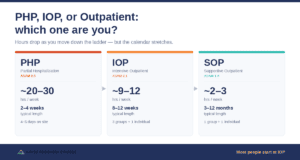
PHP, IOP, or Outpatient: Which One Are You?
The six questions clinicians actually use to decide between PHP, IOP, and outpatient rehab — translated out of clinical language so you can walk through it yourself.

The six questions clinicians actually use to decide between PHP, IOP, and outpatient rehab — translated out of clinical language so you can walk through it yourself.
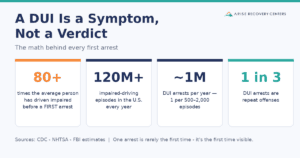
Last week, Tony Romo — Cowboys legend, beloved broadcaster, the guy half of Texas grew up cheering for — was arrested in Milwaukee on suspicion of driving while intoxicated after a golf tournament. First arrest. Court date in September. And within hours, the internet split into its two usual camps: “leave him alone, it was one mistake” and “he obviously has a problem.” Here’s the uncomfortable truth from people who work inside addiction treatment: both camps are wrong — and the way they’re wrong is exactly why so many people get help years later than they should. Written by Danny

Ask a Texan to name the most dangerous drug in the state and you’ll hear one word: fentanyl. It’s a reasonable guess — and it’s wrong. The substance behind the most alcohol deaths in Texas, the most hospital beds, and the most quiet family damage is sold in every grocery store, toasted at every wedding, and advertised during every Cowboys game. Alcohol kills more Texans every year than every illicit drug combined — roughly two and a half times over. It just does it slowly enough that nobody holds a press conference. Written by Danny Andino, CEO, Arise Recovery Centers·Clinically

If you love someone in active addiction, you’ve probably paid for something this year — rent, a phone bill, bail, a “loan” that both of you knew wasn’t one. And you’ve probably lain awake wondering which side of the helping vs. enabling line you landed on. Here’s the confusing part nobody tells families: the exact same act — money, housing, a ride — can be support or fuel, depending entirely on which direction it points. Written by Danny Andino, CEO, Arise Recovery Centers·Clinically reviewed by Nicholas Overbeck, LPC-S, LCDC Last reviewed and updated July 2026. What’s inside Why loving families
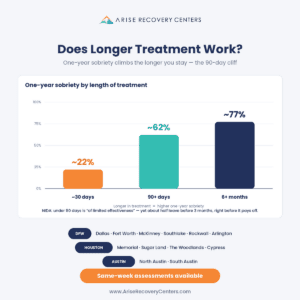
Short answer: yes — and it’s not close. How long someone stays engaged in treatment is one of the strongest predictors of whether they’re still sober a year later. The hard part isn’t knowing that. It’s that the exact window where recovery takes hold is the same window where most people walk out the door. This is the research on dose, dropout, and what actually moves the numbers. Written by Danny Andino, CEO, Arise Recovery Centers·Clinically reviewed by Nicholas Overbeck, LPC-S, LCDC Last reviewed and updated July 2026. Quick answer 90 days is roughly the exposure NIDA links to meaningfully
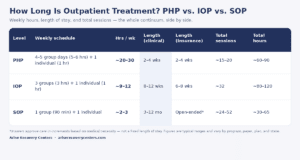
If you’re looking into outpatient treatment, you’re probably wondering how it will fit into your life — and fitting around your life is the whole point. Unlike inpatient or residential rehab, outpatient care doesn’t ask you to put everything on hold. You keep living at home, working, and showing up for the people who count on you, all while getting real, structured treatment. Below we walk through the three levels — PHP, IOP, and Supportive Outpatient — in plain numbers: hours per week, what a typical week looks like, how long each runs, and what insurance usually covers. Written by

Clinically reviewed by Nicholas Overbeck, LPC-S, LCDC Medically reviewed by Nicholas Overbeck, LPC-S, LCDC, Arise Recovery Centers · Updated June 2026 The first question almost everyone asks about treatment is “What’s it going to cost?” It’s the right instinct and the wrong starting point. Here’s the insider truth most people never get told: for anyone using real insurance, the sticker price of a program is far less important than two numbers buried in your plan — your deductible and your out-of-pocket maximum. Once you understand those, “how much does rehab cost?” turns into a much smaller, much more answerable question.

Medically reviewed by Nicholas Overbeck, LPC-S, LCDC, Arise Recovery Centers · Updated June 2026 When people compare outpatient programs, they weigh what’s easy to see — the therapy approach, the staff, the philosophy, the building. Those matter. But the single most underrated factor in choosing care is outpatient rehab location — plainly, how close it is. In Atomic Habits, James Clear’s third rule is almost insultingly simple: make it easy. We don’t repeat the behaviors that take the most willpower — we repeat the ones that take the least friction. The closer and easier something is, the more we actually
Clinically reviewed by Nicholas Overbeck, LPC-S, LCDC Alcohol use disorder often develops gradually, which can make it hard to recognize — in yourself or someone you love. Knowing the signs helps you act sooner. Common signs Drinking more, or for longer, than intended Wanting to cut down but being unable to Strong cravings or drinking to feel normal Needing more alcohol for the same effect (tolerance) Shakiness, sweating, or anxiety when not drinking (withdrawal) Continuing to drink despite problems at work, home, or with health Important: Alcohol withdrawal can be dangerous. Heavy or long-term drinking may require medically supervised detox
Clinically reviewed by Nicholas Overbeck, LPC-S, LCDC Recovery doesn’t end when a program does. A relapse prevention plan helps you recognize warning signs early and respond before a slip becomes a setback. Relapse happens in three stages, and a plan works best when it targets the first one. Read the three stages of relapse before you build yours. Know your triggers Triggers are the people, places, feelings, and situations that increase the urge to use. Common ones include stress, certain social settings, and difficult emotions. Naming yours is the first step to managing them. Build your toolkit Coping skills you